Read alone · Do not read after dark · Handle with care
Ink Bleeds Archive // Accession IBP-S-011 · Flash Fiction // First serial rights
Restricted archive1,040 words · 5 min read

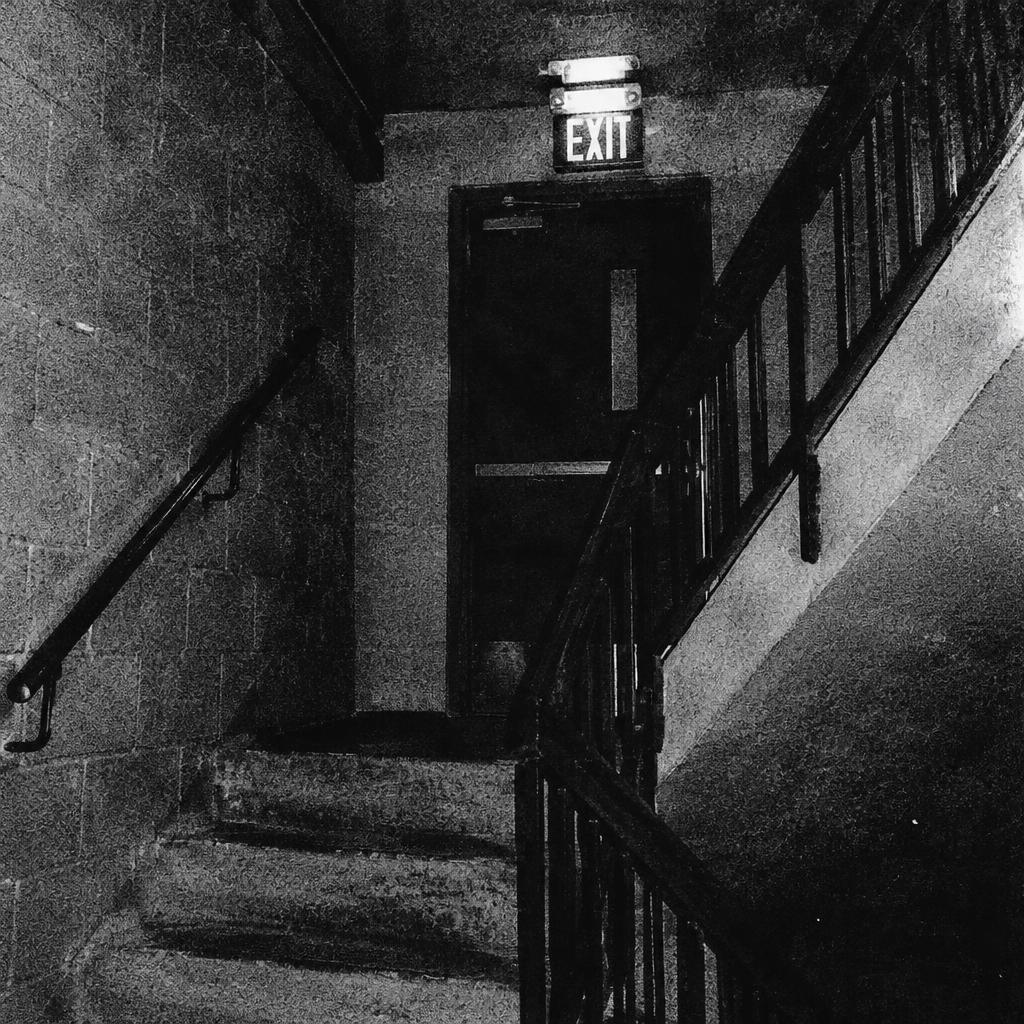
Photo: Acabashi / CC BY-SA 4.0 / Wikimedia Commons
No Leftovers
by
Carlton Shales was a man without contradiction—at least in his own mind.
To the New Yorker crowd, he was the poet of nonsense rhymes, a cartoon fabulist who bent words into characters children could chant before they could read. To television’s gatekeepers, he was the soft-spoken conjurer of felt and foam, the man who made puppets sing hymns and sell cereal in the same breath. To the toy companies, greeting-card printers, and candy makers, he was a mint that never closed.
He gave America its rhymes and its rituals, its jingles, and its plush. In The Noble Squash he promised a harvest sermon; in The Dog in the Cone, he peddled a canine who could sell everything from soup cans to lunchboxes. One season prophet, the next carnival barker. And when pressed about the contradictions, he waved them off: no agenda—just “silly little stories for the kids.”
But he rode his ascent to kid immortality on the bumpy shoulders of Gobble-de-Yuk—the Thanksgiving turkey who, in Shales’s version of history, presided over the first feast between the Pilgrims and the Wampanoag. ‘Ol Gobble-de ran off with several teeny Pilgrimettes and Wampanoags into Plymouth Bay to baptize them in “Friendship.” The Times called it, “A breakthrough in camaraderie and formative relationships in 20th Century America.” Carlton wrote it to meet his late alimony payments.
America quelled. The money flowed: rhyming dictionaries stamped with Gobble-de’s name, plastic puppets wired to repeat themselves, holiday specials rerun until the tape wore thin. Carlton Shales became synonymous with the turkey’s hat—an upside-down dunce cap striped in sickly green and orange, with orbiting orbs that lit up and buzzed. Adults ate it up—the chapeaus themselves became objects not of ridicule, but of admiration.
Shales never lost sleep over meaning. Only merchandising.
The times made it easy to sell. America after Dallas and Da Nang was cleaving in two: one side demanded faith, obedience, and silence; the other marched in streets, questioned everything, and carried signs that mocked the flag. Shales saw money in both. It was a trick worthy of a televangelist or a Madison Avenue pitchman: tell both sides what they want to hear, then cash both checks.
But a comeuppance was coming home to roost.
On Thanksgiving Eve, as the world brined its birds and peeled its potatoes, Shales sat alone in his study, smug in his empire—kindling-primed, single malted.
The house itself seemed to slant and curl, its chimney twisting like a peppermint cane, shutters jutting at impossible angles—as if sketched by a hand that never believed in straight lines.
The night was dry, a little too dry—a moistened finger to turn a page from licked lips. Soon, it cast a desiccation on everything living.
Outside, a cutting wind rattled the leaves. A strange rustle rose from the yard, heavier than branches. The scent of warm spices chased out, replaced by a choking wisp of book dust in his throat. He glanced up from his desk, and through the frosted glass of the window.
Too tall, wrong shape. Not a puppet, this.
Somewhere in the darkness came a distant gobble, stretched thin and mournful, as if carried across centuries.
From the sill, an over-aged gourd-o-lantern sagged and split, its bumps ballooning like narf-headed Scorches from the Rigmarole story, sprouting wings and a scythed face grinning wider than any creature from his book.
The wallpaper stripes seemed to wiggle on their own, bending into licorice swirls. Lamps craned their necks like gawking beasts, and the stair rail looped into a grin ready to swallow.
More emerged from a peck of rotting apples. The harvest had turned traitor. He was surrounded now. Not by birds, but the ghost of them.
It limped out of the dark. Gigantic. Black. Burnt. Feathers clotted with centuries-old blood. The ghost of a turkey, slain at the first feast, betrayed each November since, waddled forward with terrible dignity.
At last, it had come.
"I'm here because of you, because of all your doings. I'm here because you've violated the trust of the most innocent beings on the earthaneum—its children."
The turkey had him pinned against the bedroom wall.
Naked shadowed branches scratched the room’s pink and gray anaglypta.
Its breath reeked of stuffing left to rot.
Each exhale spat gizzards onto the wallpaper.
Behind its beak came a chorus:
Children’s laughter bubbling into sobs.
The endless gobble of factory birds choking on conveyor belts.
Each breath snorted a dripping, fatal truth.
The creature raised its talons to render sentence.
His heart failed first—before justice could carve into flesh.
The claw swept the dwelling in a whistling sing-song, scattering furniture, lamps, and housewares like rhyming dictionaries flung into a blender.
The house collapsed—purple and white beams jutting skyward like broken cartoon minarets.
Only the chimney remained.
The ground shook.
Bills and coins rushed up the crumbing flues.
Belching shreds of sooty malignance, avarice, gloom.
Black gossamer drifted onto the late fall leaves.
A final, violent gust swept the plot.
And the earth was clean.
The next morning, the empire carried on without interruption. Bird feasts ruled the day, and the only carving anyone witnessed was the one served with gravy. The specials ran on schedule, their soundtracks of tinkling pianos drifting through living rooms as children unwrapped chocolate toms with glee. Retailers restocked shelves with dolls and greeting cards. Critics praised the “timelessness” of it all, noting how the stories spoke equally to the devout and the doubtful. No one noticed the absence of the man who had drawn it all into being.
In time, the house where he fell became another landmark on the tour:
"Here lived the gentle cartoonist who gave us both faith and its undoing."
The gift shop sold swatches of the anaglypta wallpaper, glossy postcards of the study window, and—bestseller of all—small resin replicas of cute Gobble-de-Yuks wearing his signature hat. No mention was made of the blood on the wallpaper, or the shadow that had passed judgment.
The empire rolled forward, fattened on contradictions, until no one could tell anymore if it had ever been built on anything but a ledger. It didn’t matter. Everyone knew what sat atop the high altar—a make-believe turkey in a diamond collar.
No one remembered the man. Only the merchandise.
, End of file. You were warned. ,